Could sleep apnea begetting in the way?
Recognize any of these? A two-minute quiz shows if a test makes sense.

- Loud snoring
- Pauses in breathing
- Waking up gasping
- Up at night to urinate
- Trouble sleeping
- Dry mouth
- Tired after a full night
- Morning headaches
- Hard to focus
- Sleepy during the day
- Slow to react
- Lower sex drive
One night. A clear next step.
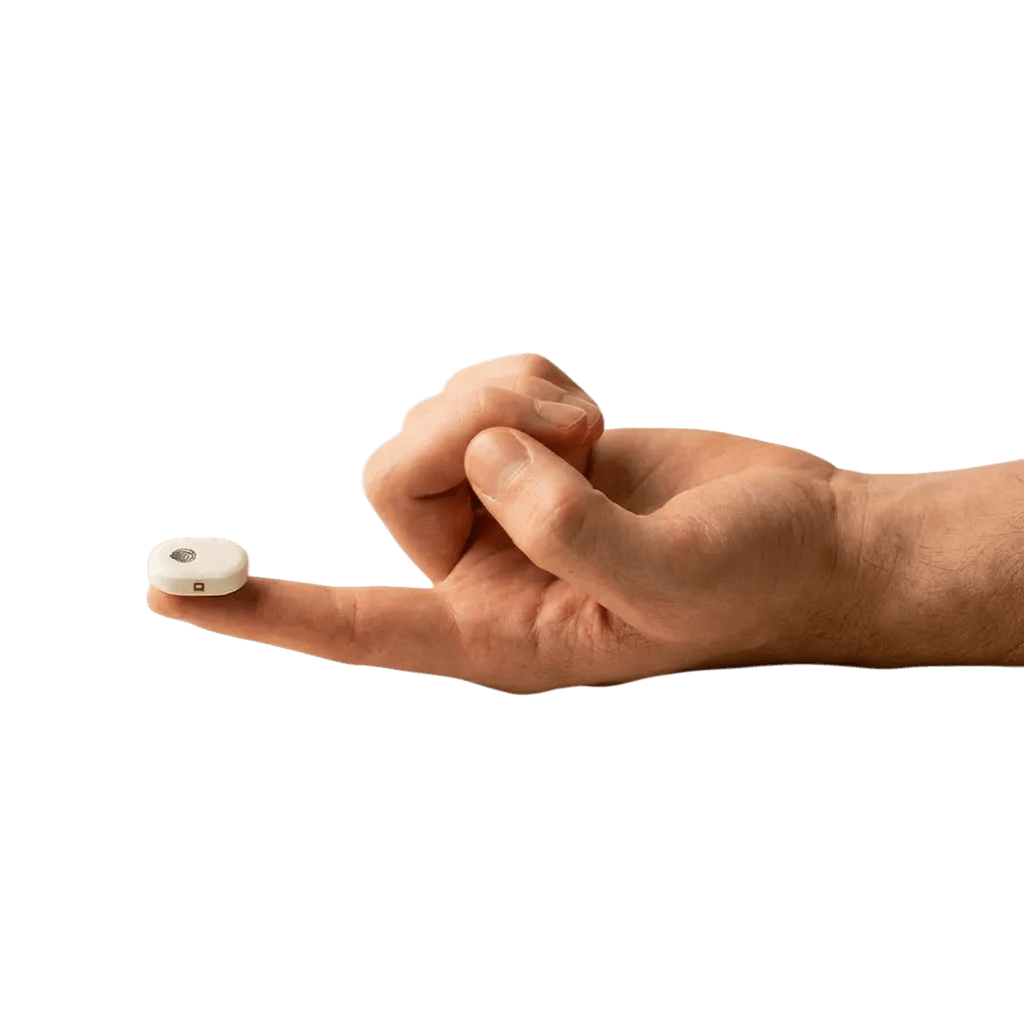
Wear a small sensor on your fingertip while you sleep. A sleep physician interprets your study.
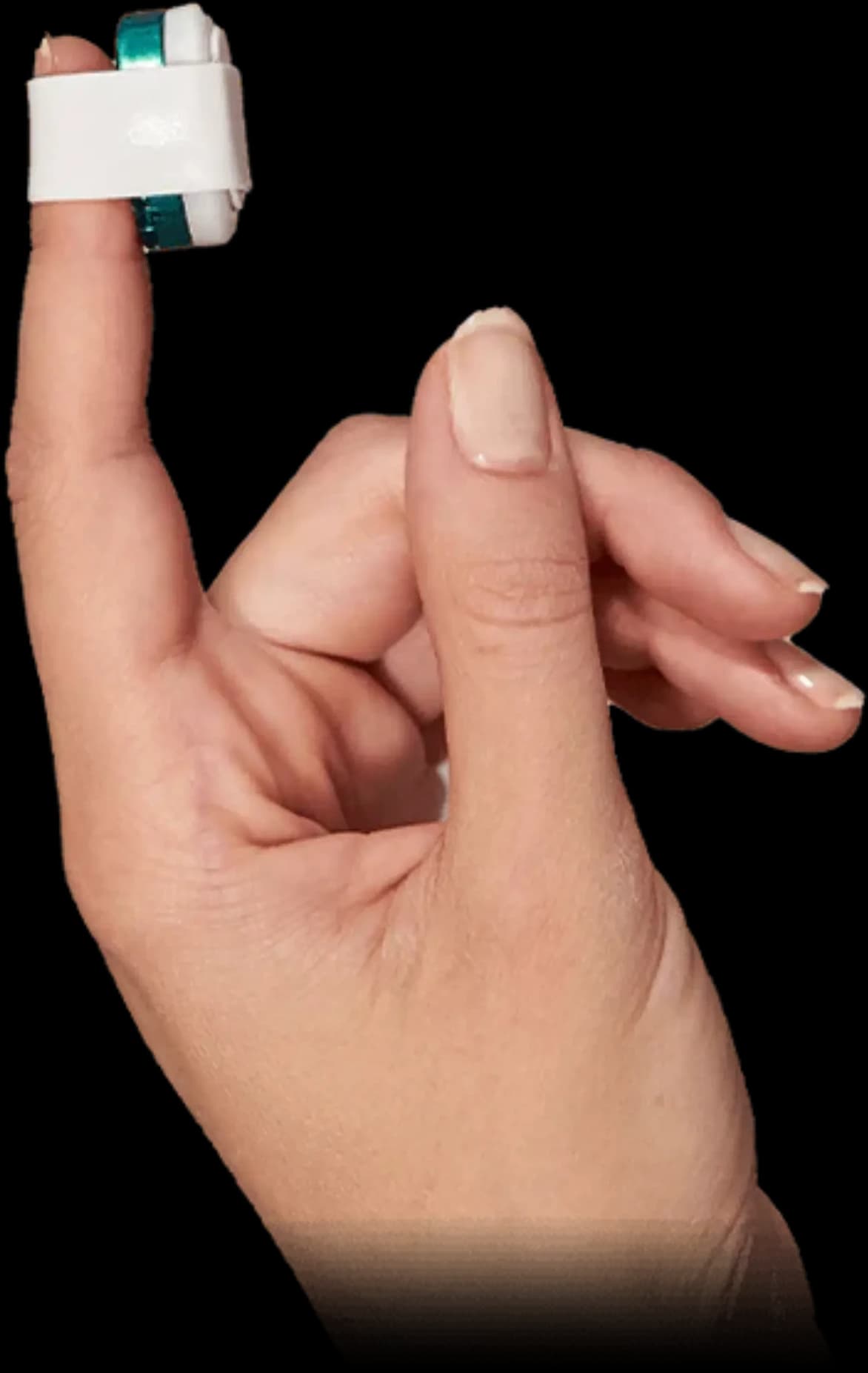
Sleep in your own bed
No night in a sleep center, and no belts, tubes or chest leads.
Read by a sleep physician
Then explained on a video call with your Sleep Consultant.
$99 with free shipping. The physician's interpretation and your results call are included.
From question to treatment, without the handoffs
One team, from your first night to every step after.
Test at home
One night, in your own bed.

Understand the result
A physician interprets your study, and we explain what it means.
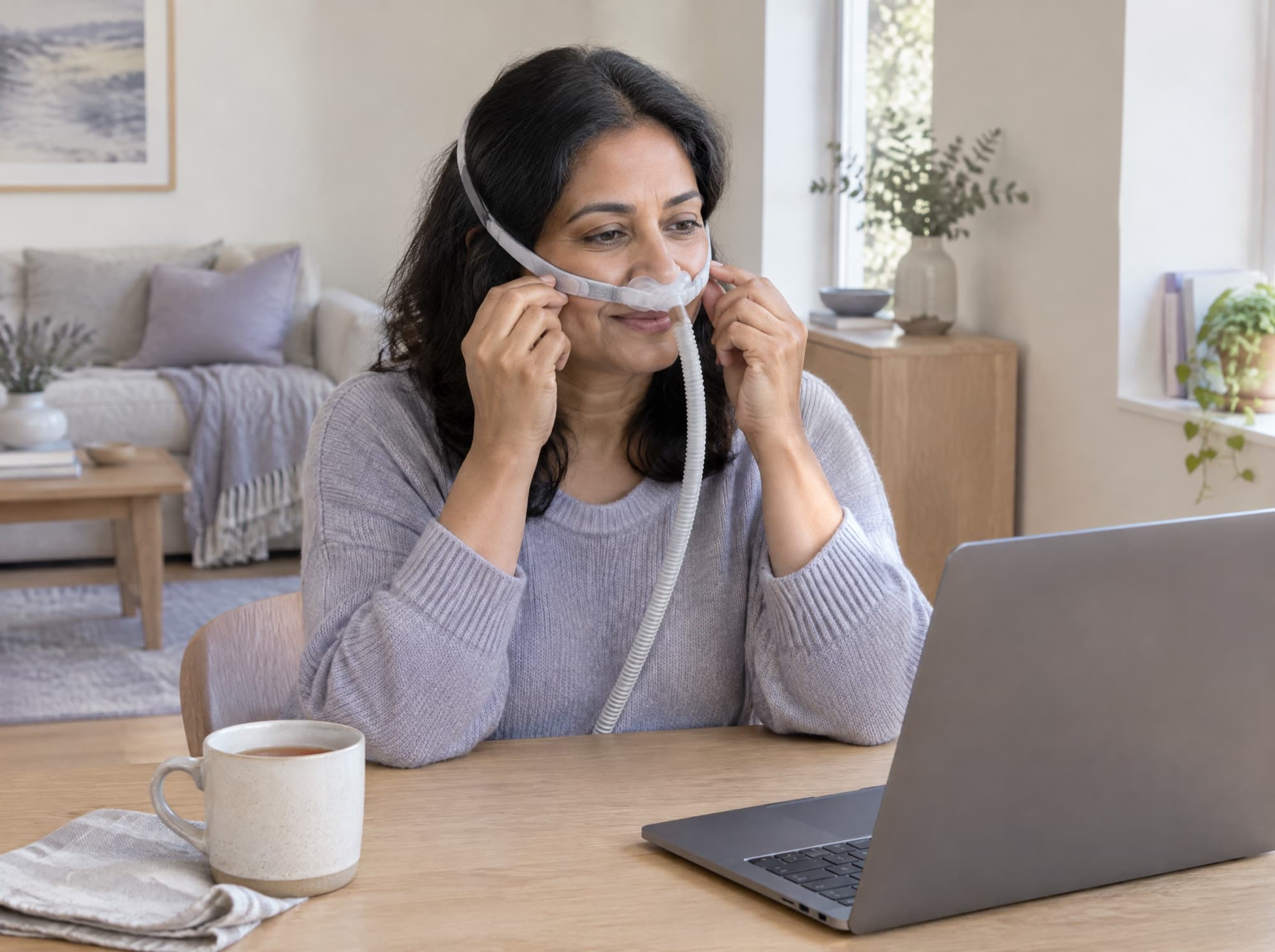
Start treatment
If CPAP is prescribed, we help you get the right mask and setup.
Stay supported
Help with fit and comfort doesn't end when the box arrives.

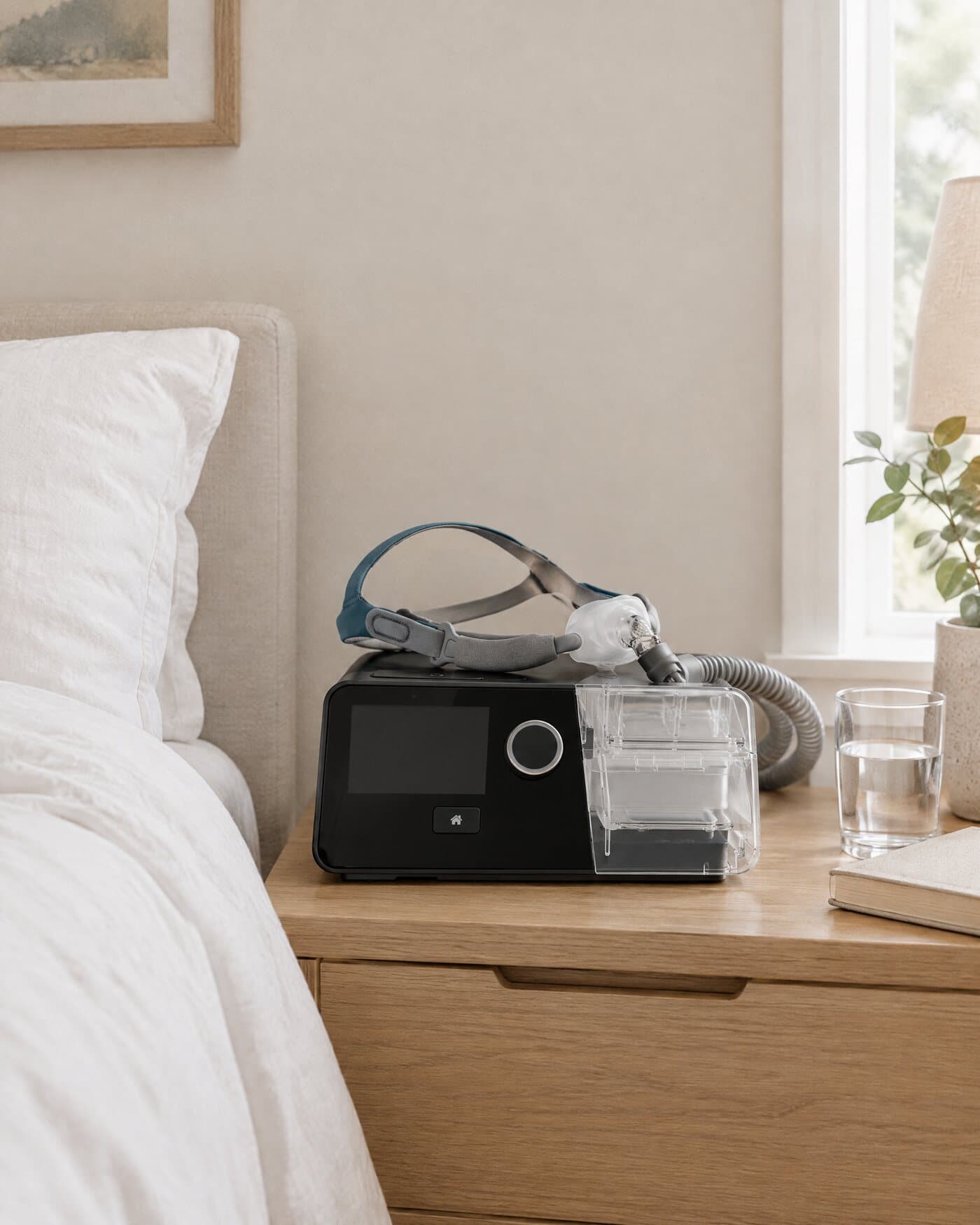
If you need treatment, we'll help make it work for you
Your PAP, your mask and our support work as one treatment.
Your CPAP
Set to your prescription.
A mask that fits
Chosen with you, swapped if not.
Help getting started
Know what to expect on night one.
Support from Somni
Help whenever something feels off.
Sleep care should feel this straightforward
| With Somni |  | The traditional way |
|---|---|---|
| Test for one night in your own bed | Yes, with Somni | A night in a sleep lab, or a separate testing service |
| Order online, with no visit first | Yes, with Somni | Often a doctor visit and a referral first |
| Results explained on a call | Yes, with Somni | Often a report, with little explanation |
| Your mask chosen with you, swapped if it doesn't fit | Yes, with Somni | A prescription sent to a separate supplier |
| Support after you start CPAP | Yes, with Somni | Often on your own with a new device |
| One team from your first night on | Yes, with Somni | A different office at each step |
- vs the traditional way
Test for one night in your own bed
The traditional way: A night in a sleep lab, or a separate testing service
Order online, with no visit first
The traditional way: Often a doctor visit and a referral first
Results explained on a call
The traditional way: Often a report, with little explanation
Your mask chosen with you, swapped if it doesn't fit
The traditional way: A prescription sent to a separate supplier
Support after you start CPAP
The traditional way: Often on your own with a new device
One team from your first night on
The traditional way: A different office at each step
Healthcare works better when someone stays with you.

Answers should lead somewhere
A diagnosis should come with a clear next step.

Treatment should fit the person
Mask fit, comfort and how you sleep all matter.

Support should continue after delivery
Starting CPAP takes adjustment. We stay involved.
What our customers say
Everything was so simple.
I was able to do everything from home, and I always knew what the next step was. Somni made the entire process feel much easier than I expected.
Kristin S.
Verified customer
I wish I had done this sooner.
I kept putting off getting tested because I thought it would be a hassle. The home test was easy, and Somni made the entire process feel seamless.
Richard C.
Verified customer
So much easier than a sleep lab.
I loved being able to take the test from my own bed. The instructions were clear, everything was convenient, and I finally got answers about my sleep.
Frank H.
Verified customer
Fast, clear, and easy.
The whole experience was straightforward from start to finish. I never felt confused about what I needed to do or what was happening next.
Josh B.
Verified customer
Finally got the answers I needed.
Somni took something I had been avoiding and made it feel completely manageable. The test was comfortable and the entire process was surprisingly easy.
George K.
Verified customer
A genuinely great experience.
Being able to handle everything from home made such a difference. The process felt organized, convenient, and much less stressful than I expected.
Judy C.
Verified customer

Questions, answered
Still have a question? Call 786-578-0400, or see all questions.
Yes. A home sleep test is an established way to test adults for obstructive sleep apnea, and a sleep physician interprets yours.
You order online, and a physician reviews your answers before your test ships, free. You wear the small sensor on your fingertip for one night in your own bed, with the free app. If your order isn't approved, you're refunded.
A sleep physician interprets your study. Your Sleep Consultant then explains your results on a video call and answers your questions.
$99 with free shipping. That covers the test, the physician's interpretation and your results call. HSA and FSA cards are accepted.
Once a physician has interpreted your study, you book your results call at a time that suits you, and your results are shared on that call.
Your physician recommends the treatment that fits your results. If that's CPAP, Somni helps you start it and supports you as you settle in.
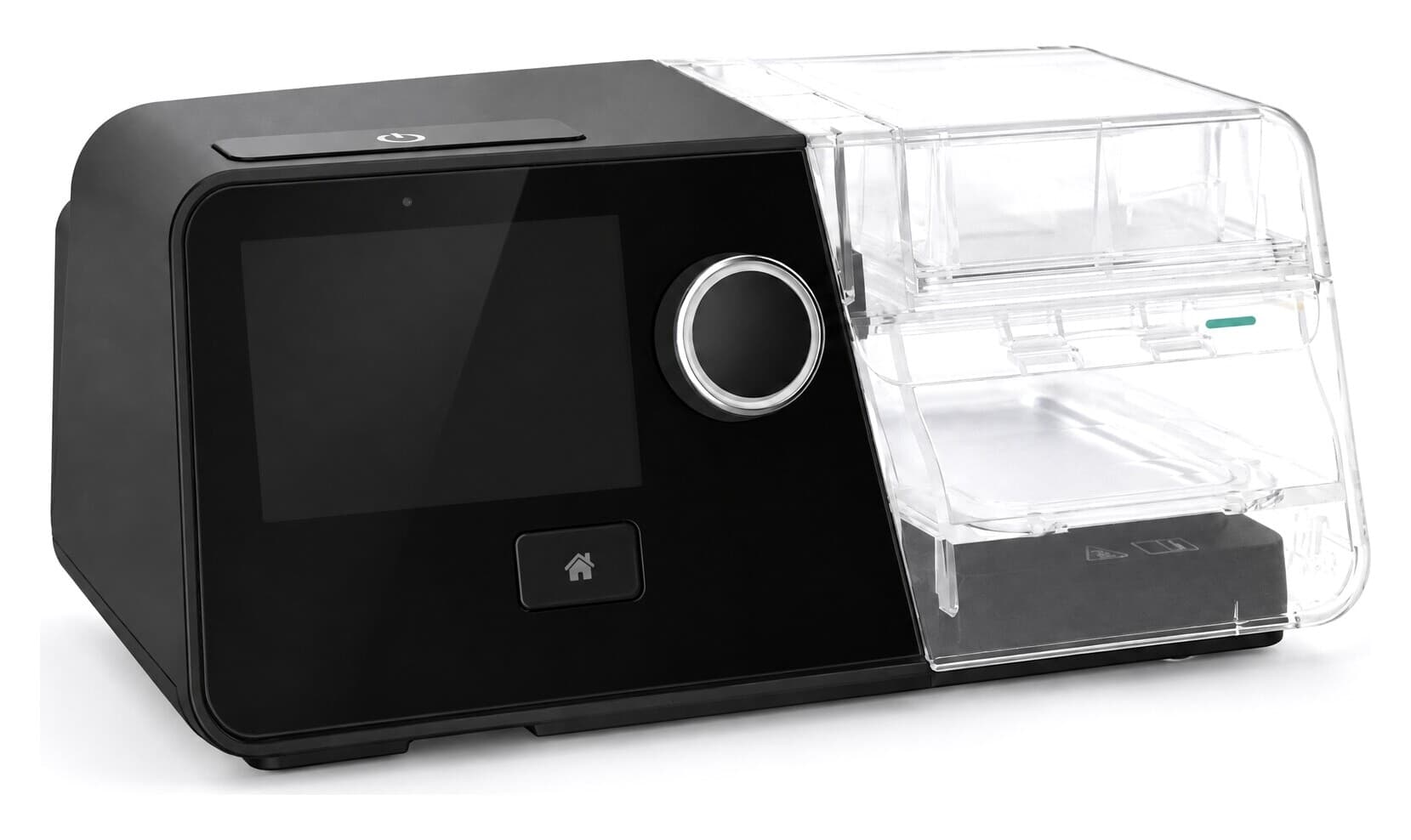
Yes, with a prescription: a React Health G3 X set to your prescription, a mask chosen with you, and support from Somni included.
Talk to us before you order a test. If you already have a sleep apnea diagnosis or a CPAP prescription, you may not need a new one, and a Sleep Consultant will tell you what we need from you.
Start with one night at home.
Find out what's happening while you sleep, and what comes next.