
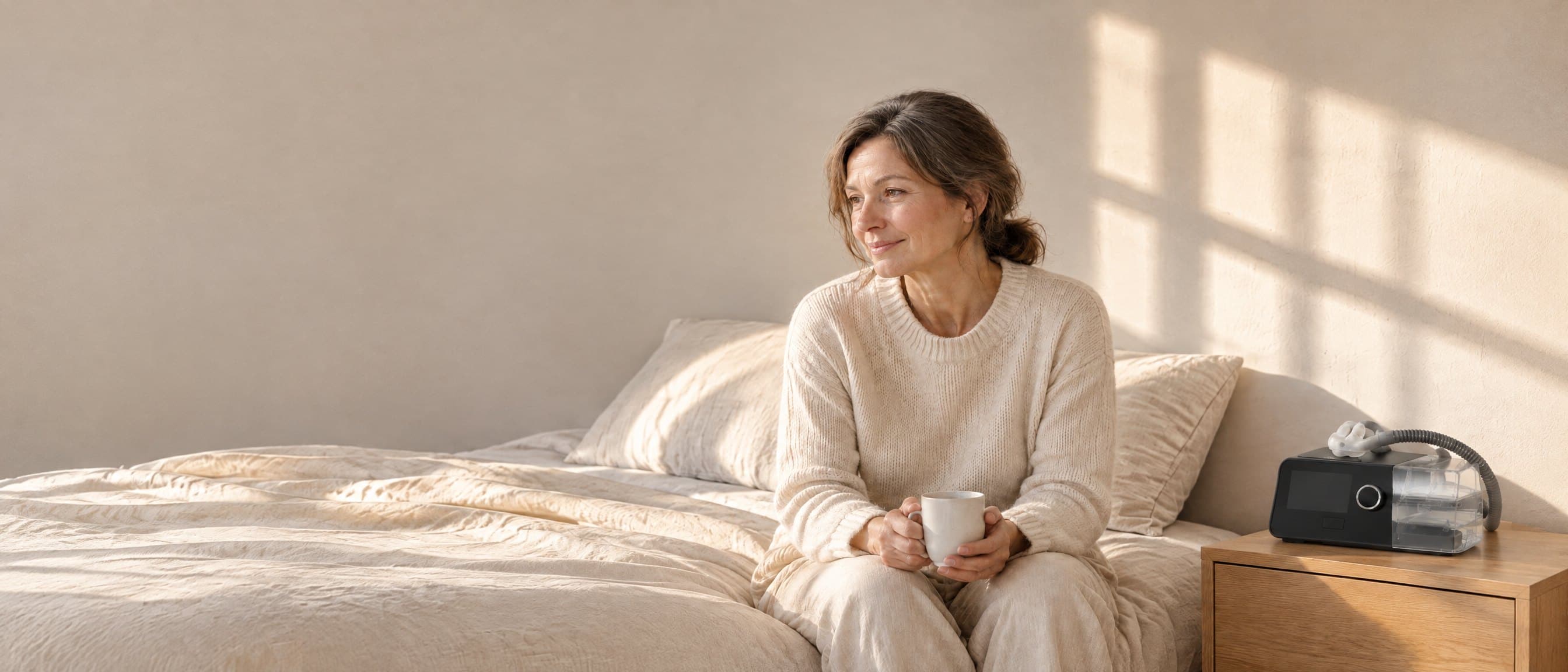
Sleep better with CPAP that fits your life
- React Health G3 X
- A mask you choose
- Support from Somni
Your CPAP, set up around you
Your treatment is more than a machine.
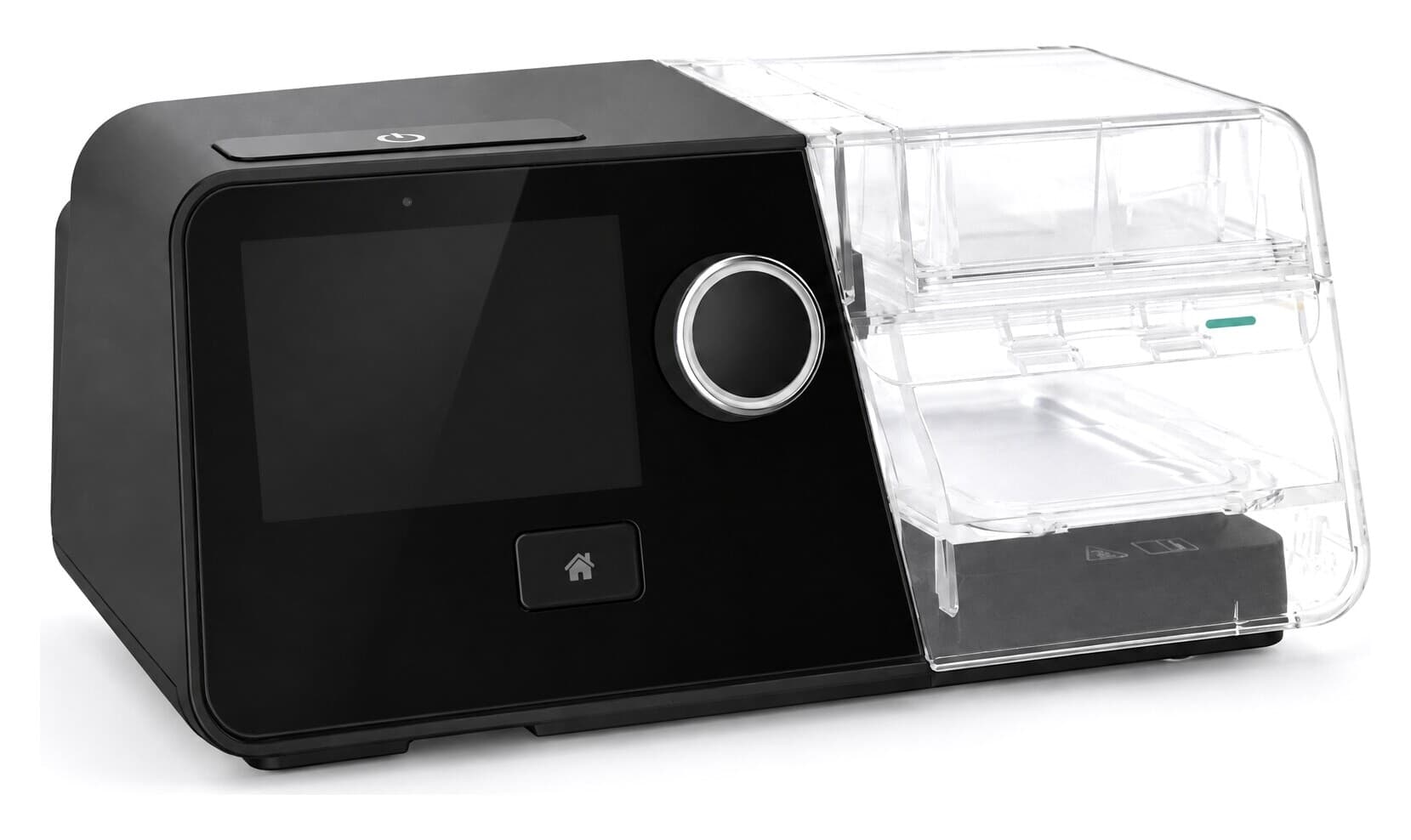
React Health G3 X
Adjusts pressure through the night, within your prescription.2
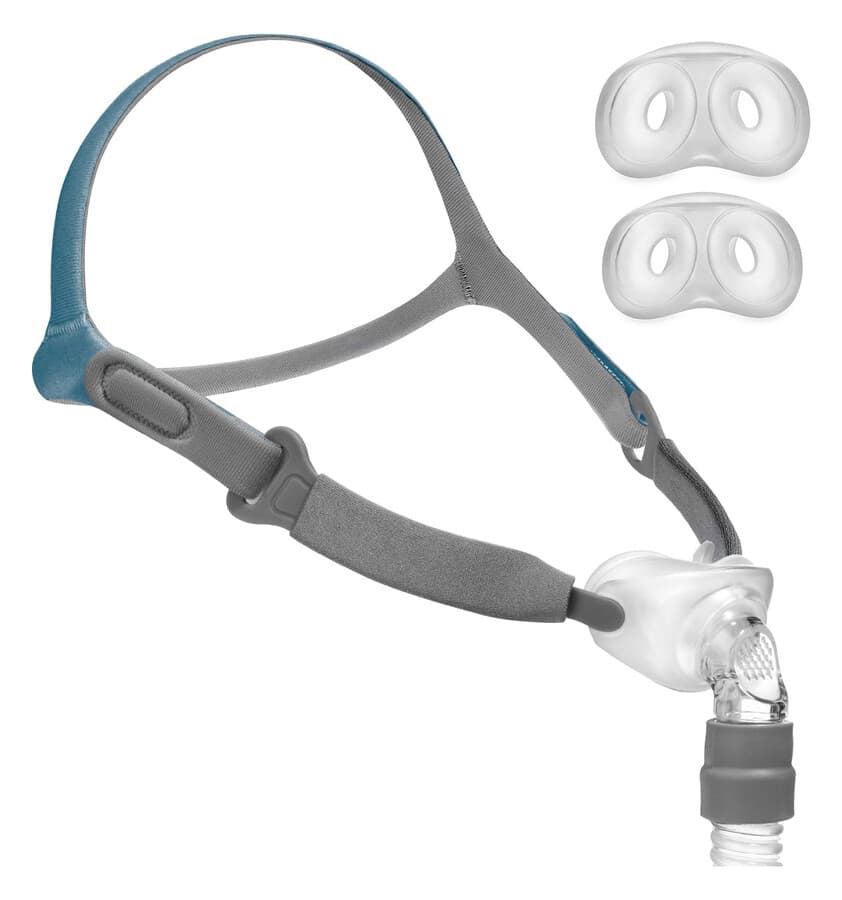
Your mask
The style and size you choose on your results call.
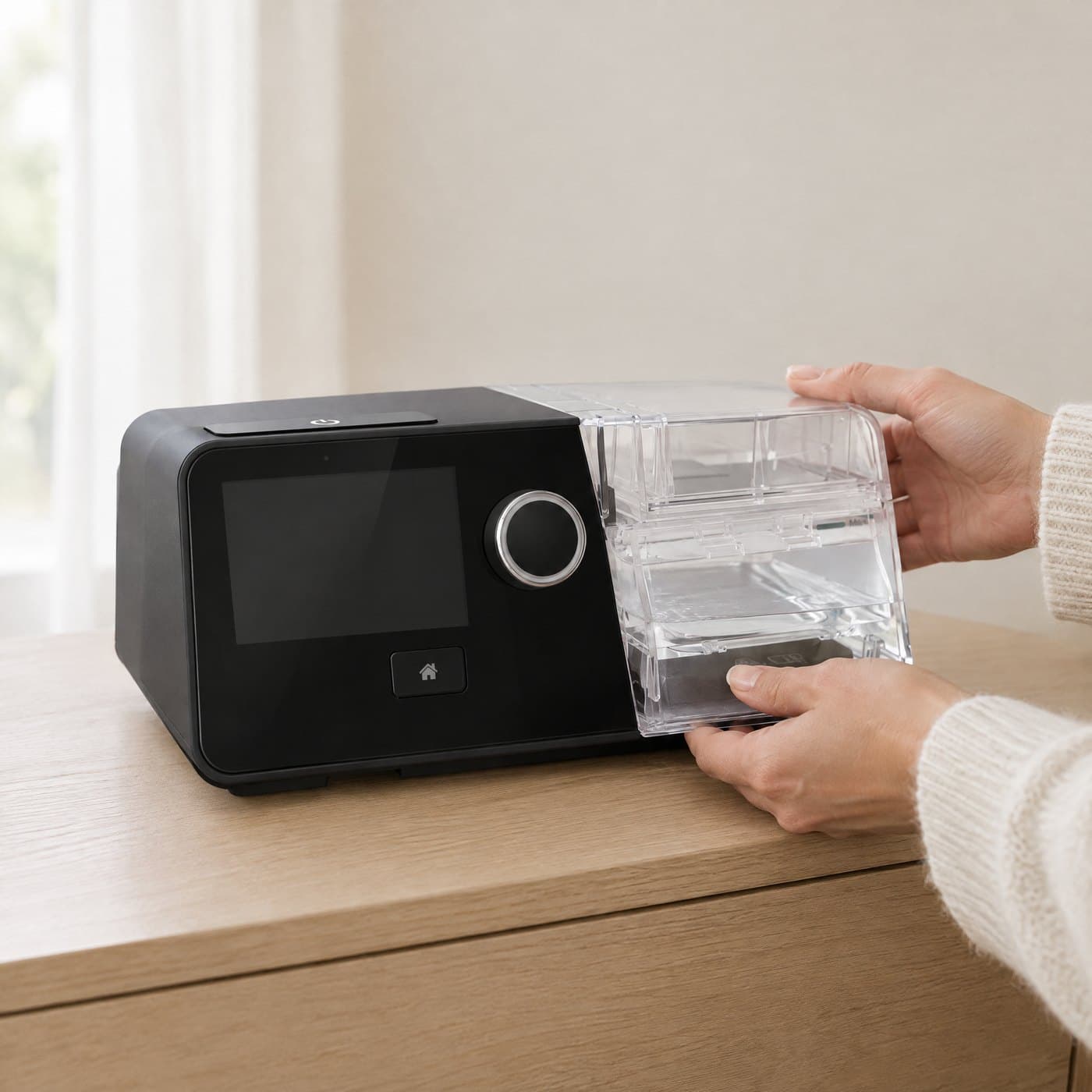
Heated humidifier
Built in, for warm, moist air.
Support from Somni
Help getting started and staying with it, included with your CPAP. No separate support plan.
Find the mask that feels right
Choose the style and size with your Sleep Consultant. If it doesn’t fit, you switch.
Not sure which one?
Your Sleep Consultant helps you choose on your results call.Less on your face
Nasal pillows · React Health Rio II
Rest at the nostrils, for the lightest feel.
Simple and secure
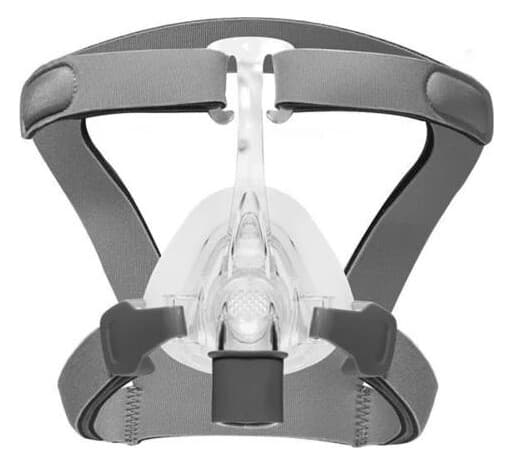
Nasal mask · React Health Viva
A cushion over your nose that leaves your mouth free.
For mouth breathers
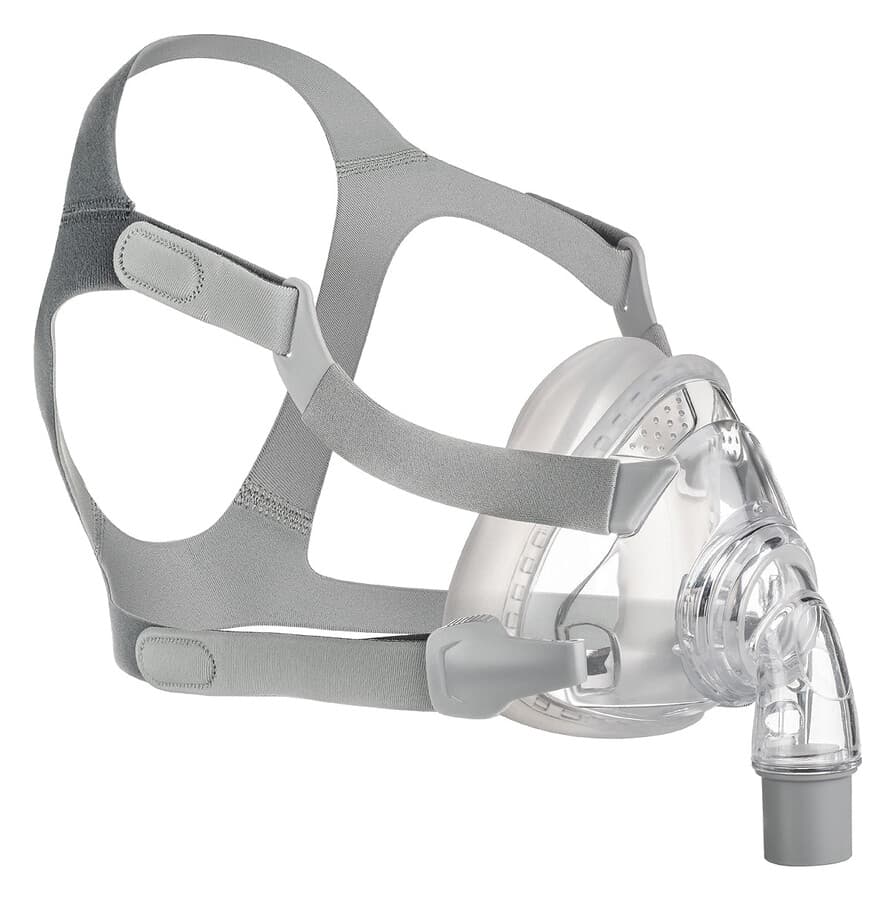
Full face mask · React Health Siesta
Covers your nose and mouth.

Designed to disappear into your night
Compact enough for a nightstand, and made to stay quiet while you sleep.
From your sleep test to your first night
Four steps, one team, nothing to chase.

One night at home
A home sleep test, in your own bed.

A physician reviews it
A sleep physician interprets it and prescribes CPAP if it’s right for you.
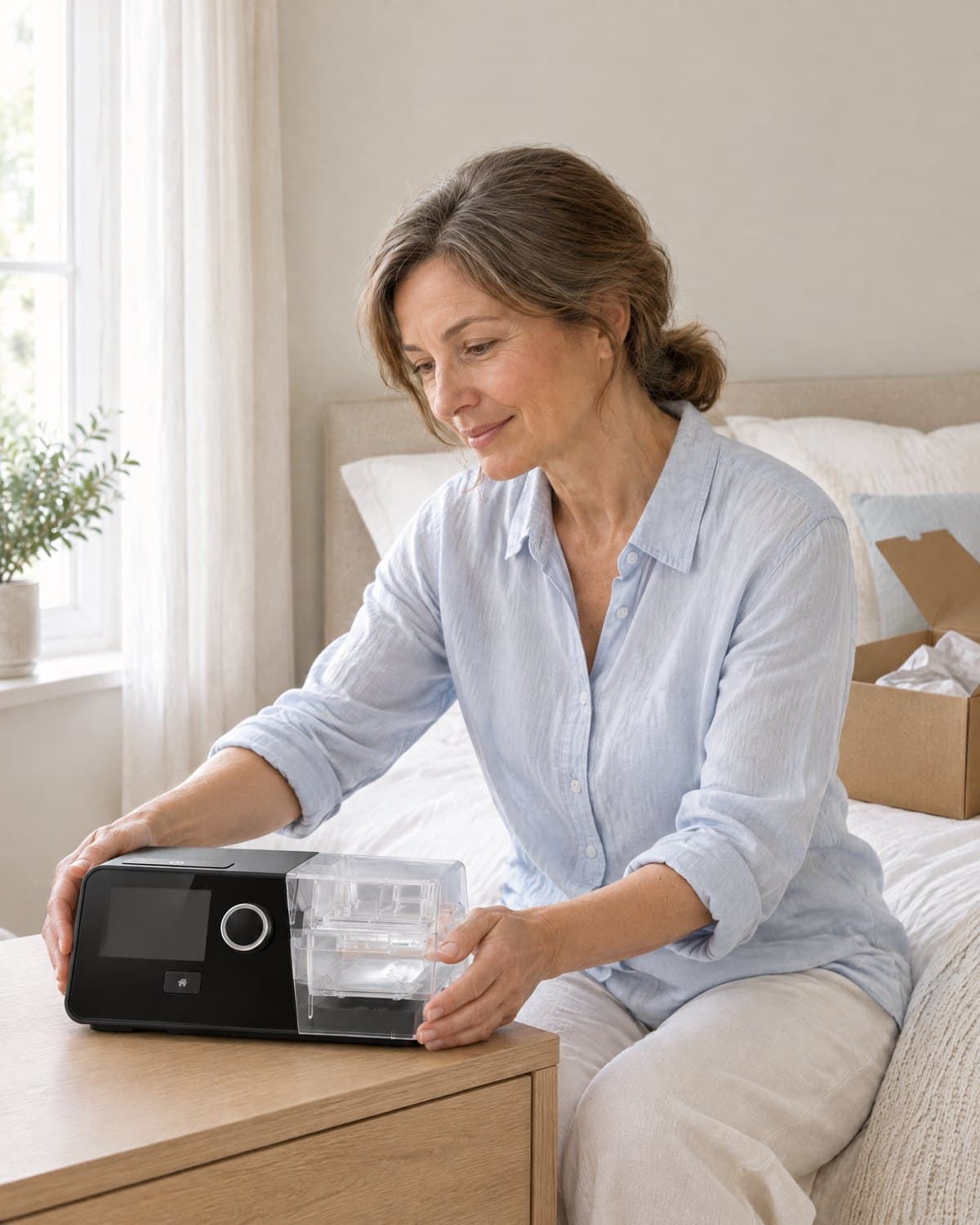
Your G3 X arrives
Set to your prescription, with the mask you chose on your results call.

We stay with you
Support from Somni, included.
Healthcare works better when someone stays with you.

Answers should lead somewhere
A diagnosis should come with a clear next step.

Treatment should fit the person
Mask fit, comfort and how you sleep all matter.

Support should continue after delivery
Starting CPAP takes adjustment. We stay involved.
CPAP questions, answered
Still have a question? Call 786-578-0400, or see all questions.
It can take a few nights to get used to. Most of the comfort comes from the mask and the air: the G3 X can start at a lower pressure with Ramp while you fall asleep, and its heated humidifier adds warmth and moisture. If your mask leaks or presses, you switch to a different type or size.
CPAP only works while you're wearing it, so it's meant for every time you sleep. Your physician can tell you more about what's right for you.
Call us. Many people take a few nights to settle in, and a different mask style often helps. Ramp starts the air gently while you fall asleep, and any change to your settings is a physician's decision.
You switch to a different one. Your Sleep Consultant helps you choose the style and size on your results call, and if the fit isn't right once you've tried it, we exchange it for a different type or size.
React Health rates it at 28 dB(A) at a pressure of 10 hPa.
Your G3 X arrives set to the prescription a sleep physician writes after reading your study. In AutoCPAP mode it can adjust the pressure through the night, within the range your prescription sets. Any change to your settings is a physician's decision.
The G3 X weighs 1.7 kg and runs on 100–240 V power through its external adapter. React Health specifies use from sea level up to 2,300 m.
CPAP treats sleep apnea while you use it; it doesn't cure it. How long you need it is a question for your physician.
A sleep physician reads your study and recommends the treatment that fits you. If CPAP isn't working for you, call us: changes to your treatment are a physician's decision, and they may recommend another option.
Yes. If you already have a sleep apnea diagnosis or a CPAP prescription, you may not need a new test. Talk to us before you order one, and a Sleep Consultant will tell you what we need from you.

Treatment starts with knowing what’s happening while you sleep
One night at home tells a sleep physician whether you have sleep apnea, and which treatment fits.
- Patil SP, et al. Treatment of adult obstructive sleep apnea with positive airway pressure: an American Academy of Sleep Medicine systematic review, meta-analysis, and GRADE assessment. J Clin Sleep Med. 2019;15(2):301–334. (opens in a new tab)
- React Health. G3 X APAP device: product page, user manual and sell sheet. (opens in a new tab)