 Somni
SomniUnderstanding Oral Appliance Therapy
Treatment, without the mask.
Oral appliance therapy treats sleep apnea with a custom-fit mouthpiece — no machines, no hoses, no masks. Learn how it works, who it's for, and how to get started.
- FDA-cleared for mild-to-moderate obstructive sleep apnea
- Custom-fitted by a dentist trained in sleep medicine
- Silent, travel-friendly, no electricity required
How It Works
Understanding oral appliance therapy
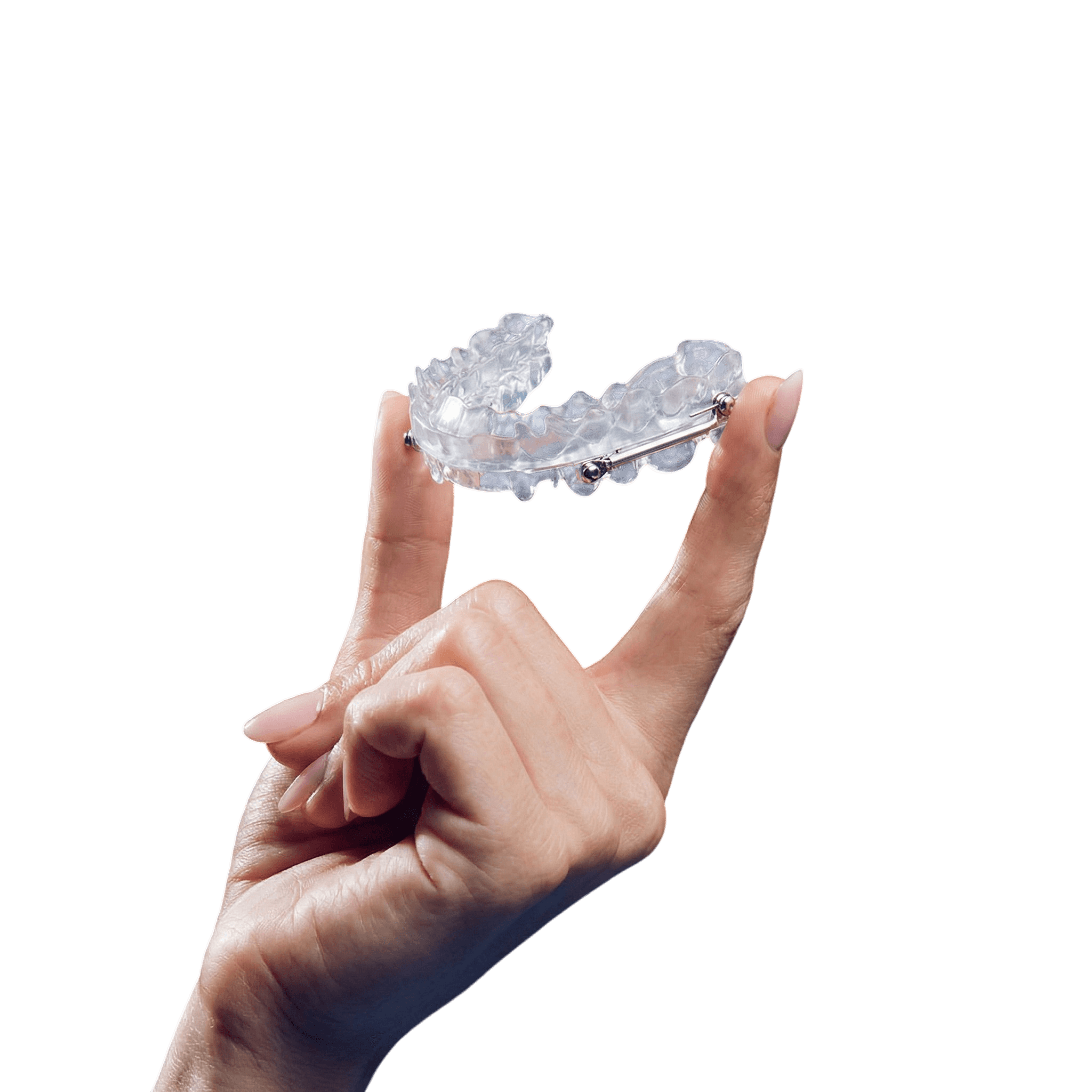
A custom-fit mouthpiece
A Mandibular Advancement Device (MAD) is custom-made from dental impressions by a dentist trained in sleep medicine for a precise, comfortable fit.
Jaw repositioning keeps your airway open
The device gently holds your lower jaw in a slightly forward position. This prevents the tongue and soft tissues from collapsing backward and blocking airflow.
Quiet, discreet, and easy to use
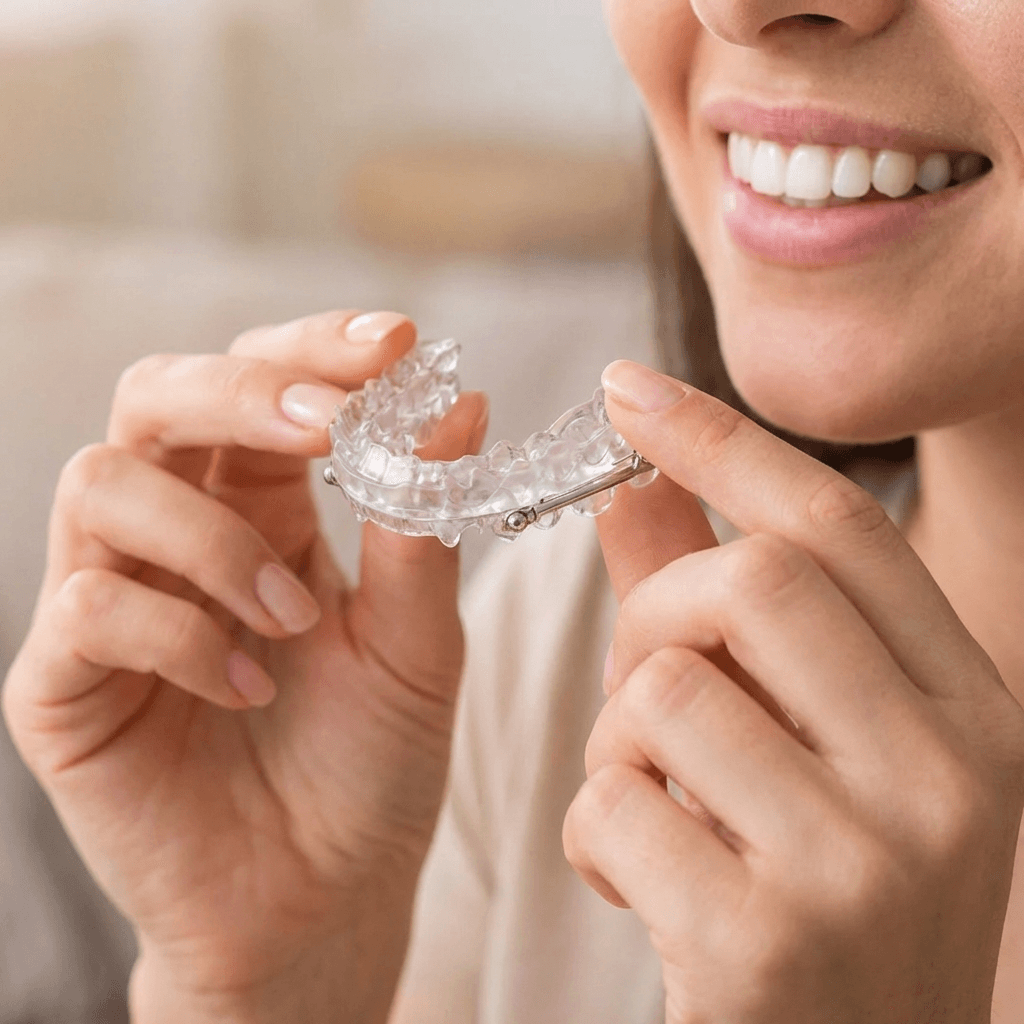
No machines, tubes, or electricity required. Just place it in your mouth before bed. Most patients fully adapt within one to two weeks.
Benefits
Built for comfort, designed for life
Oral appliance therapy fits your lifestyle, not the other way around.
Comfortable to wear
Custom-molded to your teeth for a snug, natural fit. Most patients forget they're wearing it after the first week.
Travel-friendly
Fits in a small case that goes in your pocket or bag. No power cords, water chambers, or bulky equipment.
No electricity needed
Use it anywhere — camping, flights, hotels — without worrying about outlets or batteries.
Silent operation
No motor hum, no airflow noise. Your partner won't even know you're wearing it.
Adjustable over time
Your dentist can fine-tune the jaw advancement incrementally. As your needs change, the appliance adapts.
FDA-cleared
Prescribed and supervised by licensed professionals. FDA-cleared medical devices you can trust.
The Somni Process
A guided path from symptoms to the right oral appliance.
 1
1Start with a few questions
Tell us about your sleep and snoring
Share how you feel during the day
Quick, guided screening
 2
2Take your sleep test at home
Simple, guided setup
One-night test from the comfort of home
No clinic visit required
 3
3Get your results reviewed
Your test is reviewed by a licensed physician
Understand what may be affecting your sleep
Get clear answers, not guesswork
 4
4Move forward with treatment
Get matched to the right next step
Personalized treatment direction
Confidence in what comes next
1Start with a few questions
Tell us about your sleep and snoring
Share how you feel during the day
Quick, guided screening
2Take your sleep test at home
Simple, guided setup
One-night test from the comfort of home
No clinic visit required
3Get your results reviewed
Your test is reviewed by a licensed physician
Understand what may be affecting your sleep
Get clear answers, not guesswork
4Move forward with treatment
Get matched to the right next step
Personalized treatment direction
Confidence in what comes next
Comparison
How does OAT compare to CPAP?
Both are clinically validated. The right choice depends on your diagnosis and preferences.
Your physician and care team can help determine which treatment is right for you. Learn about CPAP therapy →
Common questions about oral appliance therapy
A MAD is a custom-fitted mouthpiece that gently repositions your lower jaw forward during sleep. This keeps the airway open by preventing the tongue and soft tissues from collapsing backward. It looks similar to an orthodontic retainer and is the most commonly prescribed type of oral appliance for sleep apnea.
OAT is most effective for patients with mild-to-moderate obstructive sleep apnea. It may also be prescribed for patients with severe sleep apnea who cannot tolerate CPAP therapy, as determined by their physician. A sleep test and diagnosis are required before treatment.
Yes. Oral appliance therapy for sleep apnea requires a prescription based on a sleep test reviewed by a licensed physician. The appliance itself is then custom-fabricated and fitted by a dentist trained in dental sleep medicine.
Most patients fully adapt within one to two weeks. You may experience mild jaw soreness or excess saliva during the first few nights, which typically resolves quickly as your mouth adjusts to the device.
Yes. Oral appliances are effective for both sleep apnea and primary snoring. By advancing the jaw forward, the device opens the airway and reduces the vibration of soft tissues that causes snoring.
Prescription oral appliances are custom-made from dental impressions by a sleep-trained dentist. They offer precise jaw positioning, superior comfort, and clinically validated effectiveness. OTC mouthguards are one-size-fits-all and are not FDA-cleared for treating sleep apnea.
Our Blog

Joe Rogan Has Sleep Apnea. Here's What That Means for the Millions Who Don't Know They Have It Too.
If you've listened to The Joe Rogan Experience for any length of time, you know Joe doesn't shy away from talking about his health. He's discussed everything from sauna protocols to testosterone to diet — and sleep apnea is no exception. In clips that have circulated widely, Rogan has opened up about his own diagnosis, his struggles with airway obstruction during sleep, and the devices he uses to manage it. It's one of the most relatable health conversations he's ever had. And that's saying something — because 54 million Americans are walking around with the same condition, most of them completely unaware.
Can I have sleep apnea if I don’t snore?
You might think that snoring is the ultimate giveaway for sleep apnea, right? Well, not always! It's totally possible to have sleep apnea without ever making a peep.

Sleep lab vs home sleep test: which one is right for you?
Ever wondered if you could get a sleep study done without leaving the comfort of your own bed? Well, you're not alone! With the rise of home sleep tests, more and more people are asking this very question. Let's dive into the world of sleep studies and unpack the differences between sleep lab tests and home sleep tests.
Ready to find the right solution?
It starts with understanding your risk. Take the quiz — it's free and takes 2 minutes.